Preparation
The Warmup Habits That Recreational Athletes Skip Most Often
May 2026
Arriving at the court, pool, or starting line and moving straight into full effort is a pattern that catches up with you. Not necessarily today, and often not this season. But over time, it adds up as soreness that lingers longer, a shoulder that nags after heavy serving, or a hamstring that pulls in a way it probably would not have otherwise.
The most commonly skipped warmup components among recreational athletes tend to fall into two categories: joint mobility work and sport-specific movement preparation. Static stretching before activity is actually well understood as less effective than dynamic mobility, yet many recreational athletes still default to standing and holding a quad stretch before a run.
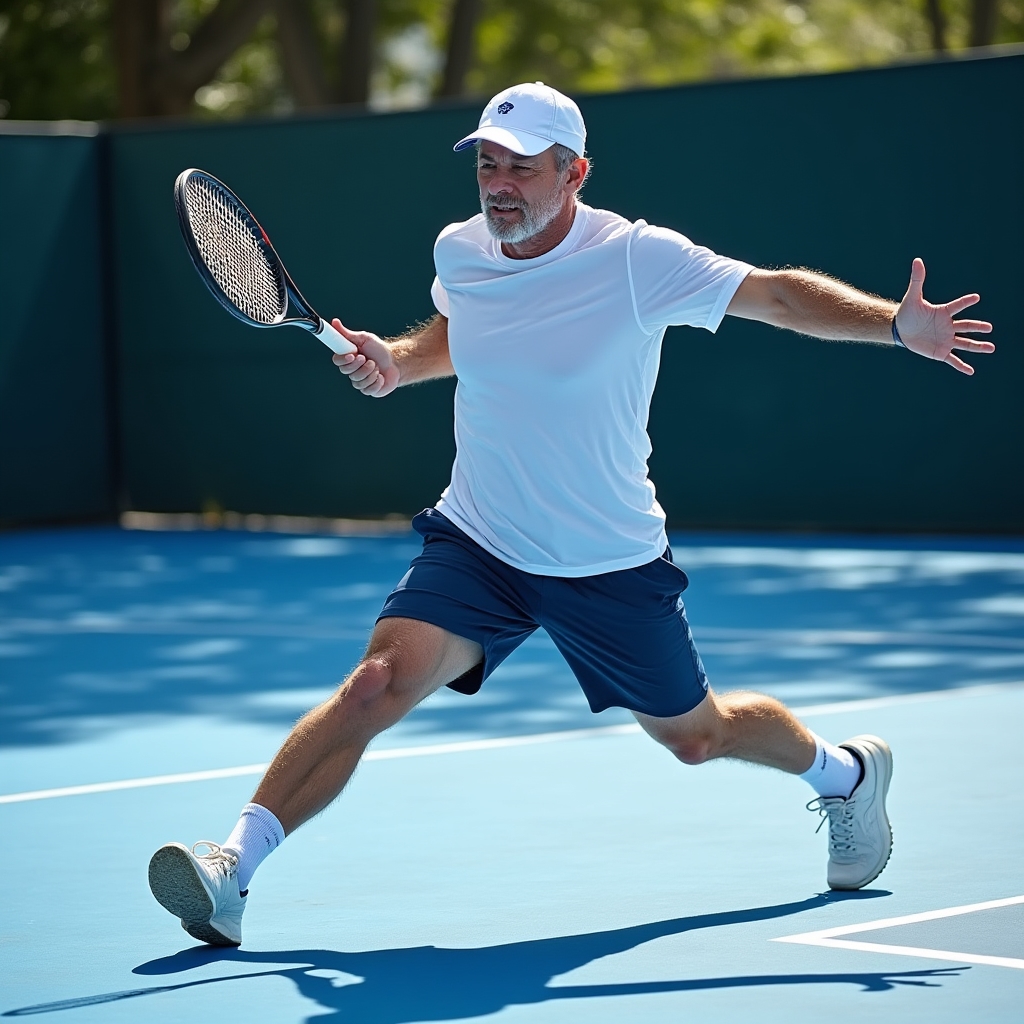
Dynamic warmup sequences that gradually increase heart rate while moving through sport-relevant ranges of motion are better preparation. For a swimmer, that means shoulder circles, thoracic rotation, and hip flexor activation before entering the water. For a tennis player, it means ankle circles, lateral shuffles, and rotational torso movements before hitting.
Time is usually the reason warmups get abbreviated. When you only have ninety minutes at the pool before work, a fifteen-minute warmup feels like a significant sacrifice. The solution is building efficient warmup protocols designed around time constraints rather than ideal conditions. A focused eight-minute sequence beats a disorganized twenty-minute one.
The preparation sessions in Sutexi's program walk through sport-specific warmup structures that fit into real-world time windows. The goal is not perfection. It is building a habit that you will actually keep.